How we turned content into a customer acquisition channel for a B2B auto service: 16M views without ads
SMM case for a Mercedes-Benz truck repair service

Overview
Industry: B2B auto service (Mercedes-Benz truck repair)
Goal: attract customers and warm up leads through content
Channels: SMM / short-form video / content marketing
Timeline: 9 months
Results
- 16M video views
- up to 45 inbound leads from a single channel
- improved conversion to inquiries
- fully booked service capacity + waiting list
“Let’s get millions of views”
When I joined the project, the request sounded almost like a joke.
The owner said:
- “Let’s try to get millions of views”
To be honest, I didn’t fully believe it either.
We were talking about a B2B truck repair service for Mercedes-Benz:
a complex product, high-ticket services, and nothing inherently “viral.”
It felt more like an experiment — to see if this could work at all.
Business context & unit economics
In this niche:
- average order value: $400–700
- major repairs: up to $30,000
- margins: up to 35%
👉 even a single additional customer has a meaningful impact on marketing ROI
Problem: cold leads and low conversion
The company already had marketing in place.
Most leads were coming from Yandex Business.
But there was a systemic issue:
- leads were cold
- asked basic questions
- took a long time to convert
Every lead had to be warmed up manually.
👉 the business didn’t control trust before the first contact
👉 and was fully dependent on a single acquisition channel
Old model: “want more — do more”
One video generated ~3,000 views on average.
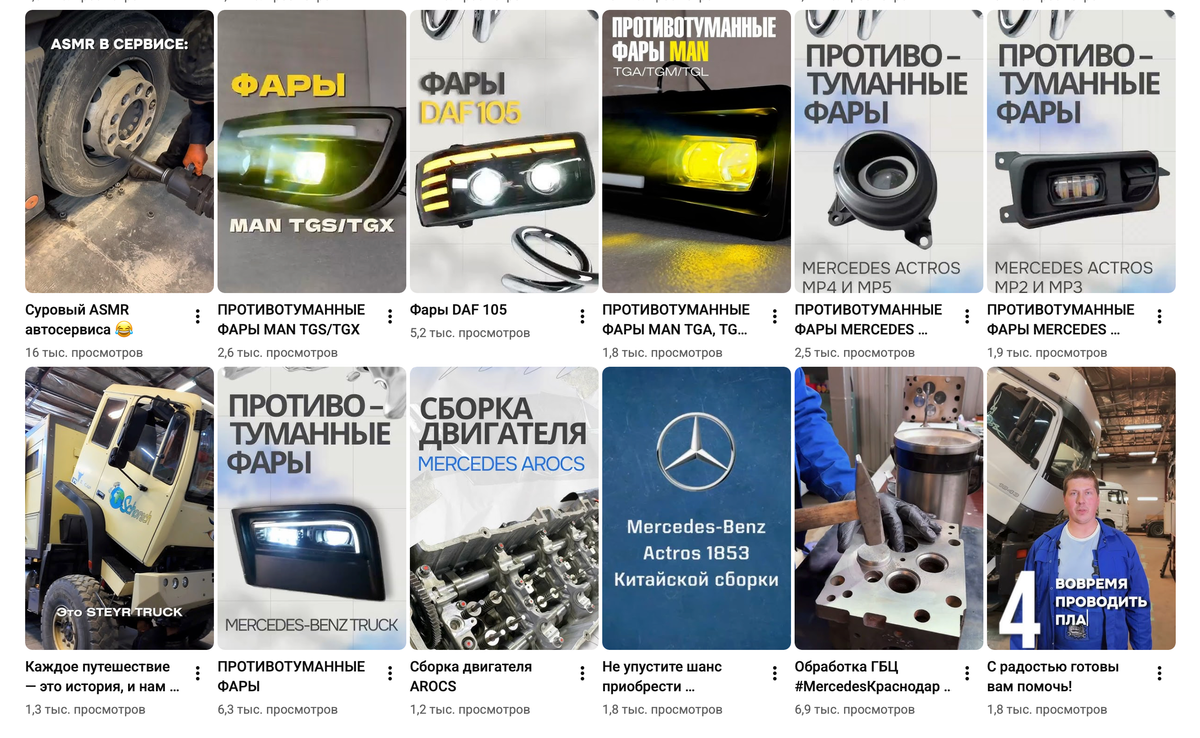
The logic was simple:
In reality, this led to:
- increased workload
- no real growth in results
👉 what scaled wasn’t performance — it was chaos and burnout
First turning point: abandoning brute-force scaling
I rejected this model.
Because it doesn’t scale attention.
It only scales:
- costs
- chaos
- burnout
Instead, we focused on identifying growth mechanics.
SMM strategy: turning content into a system
Content stopped being a stream of videos and became a system:
We kept only the metrics that actually drive growth:
- retention
- watch time
- in-video behavior
And removed everything else:
- likes
- “nice visuals”
- reach as a goal
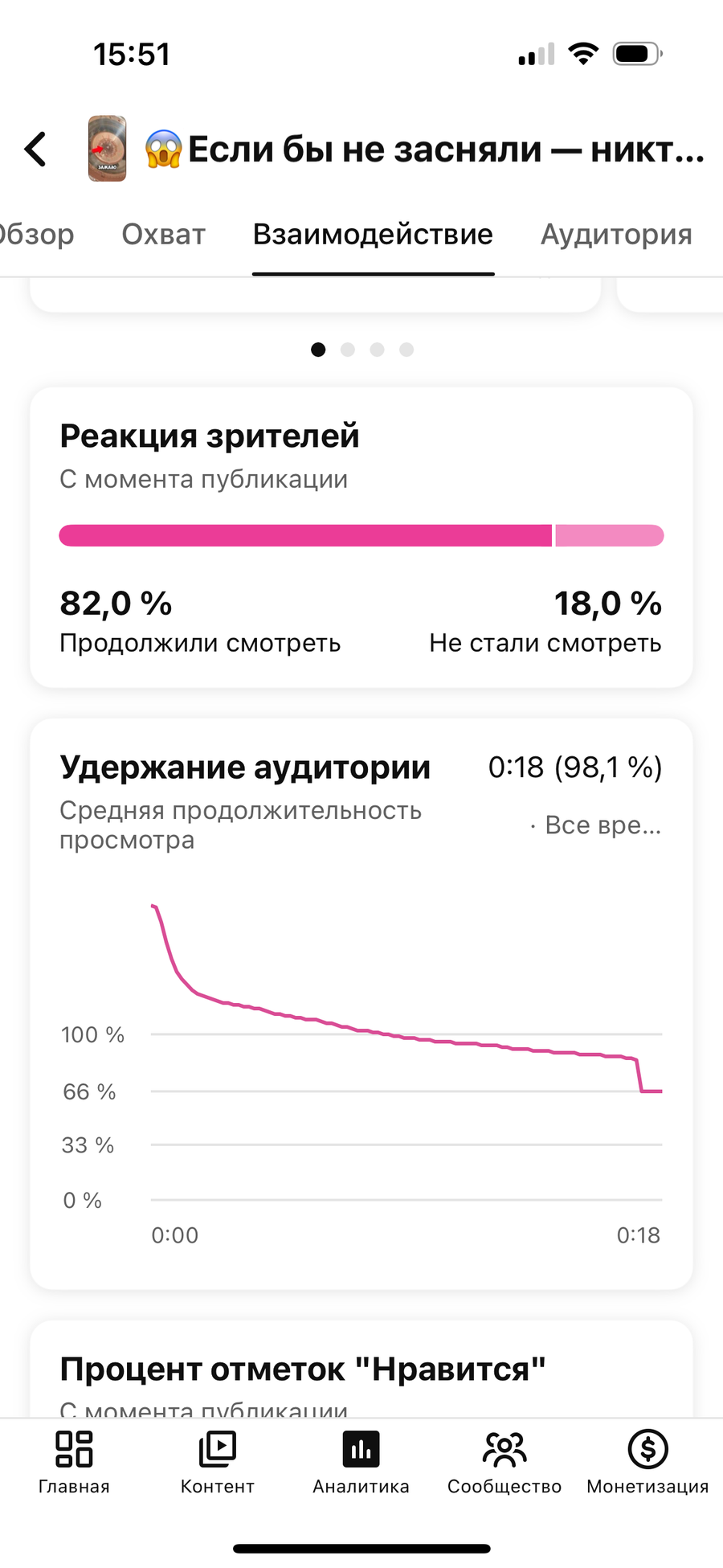
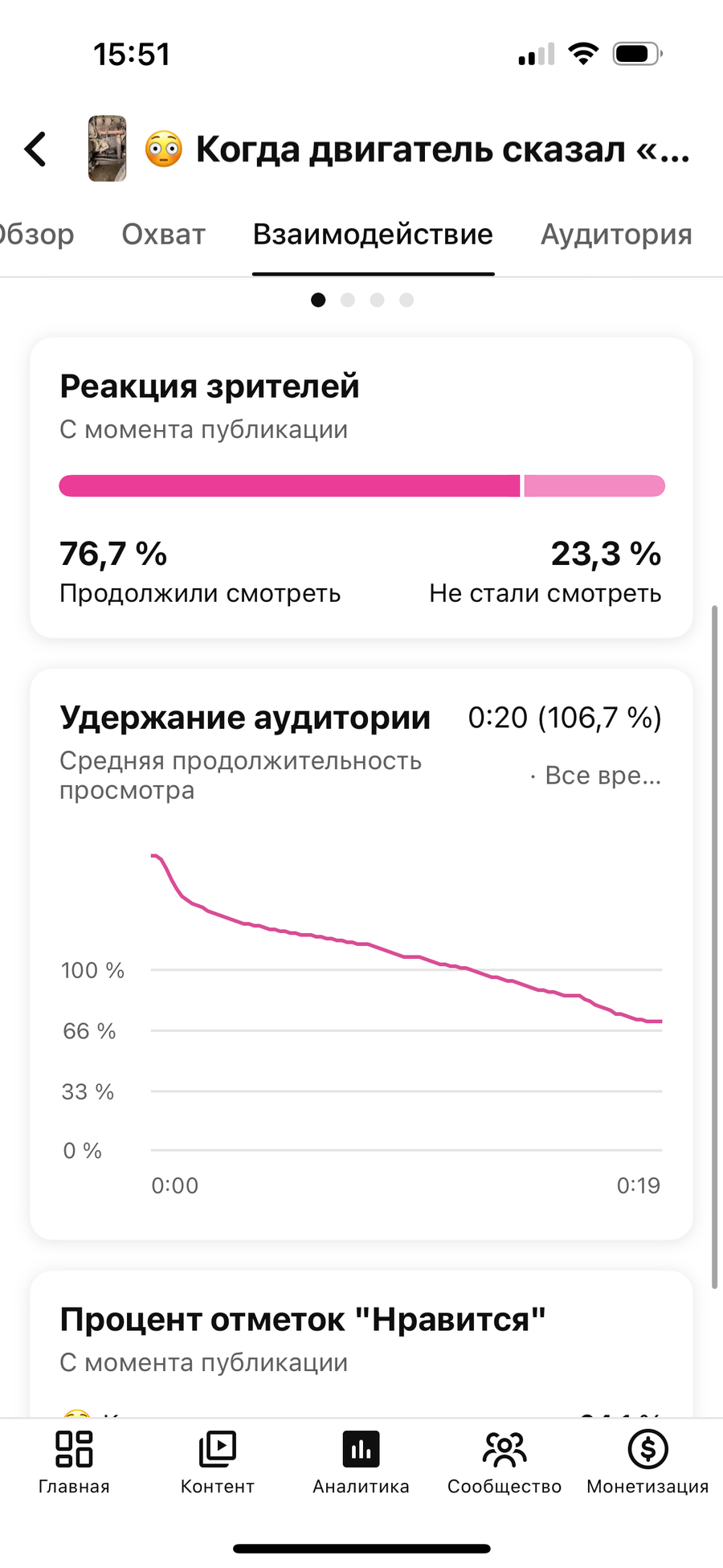
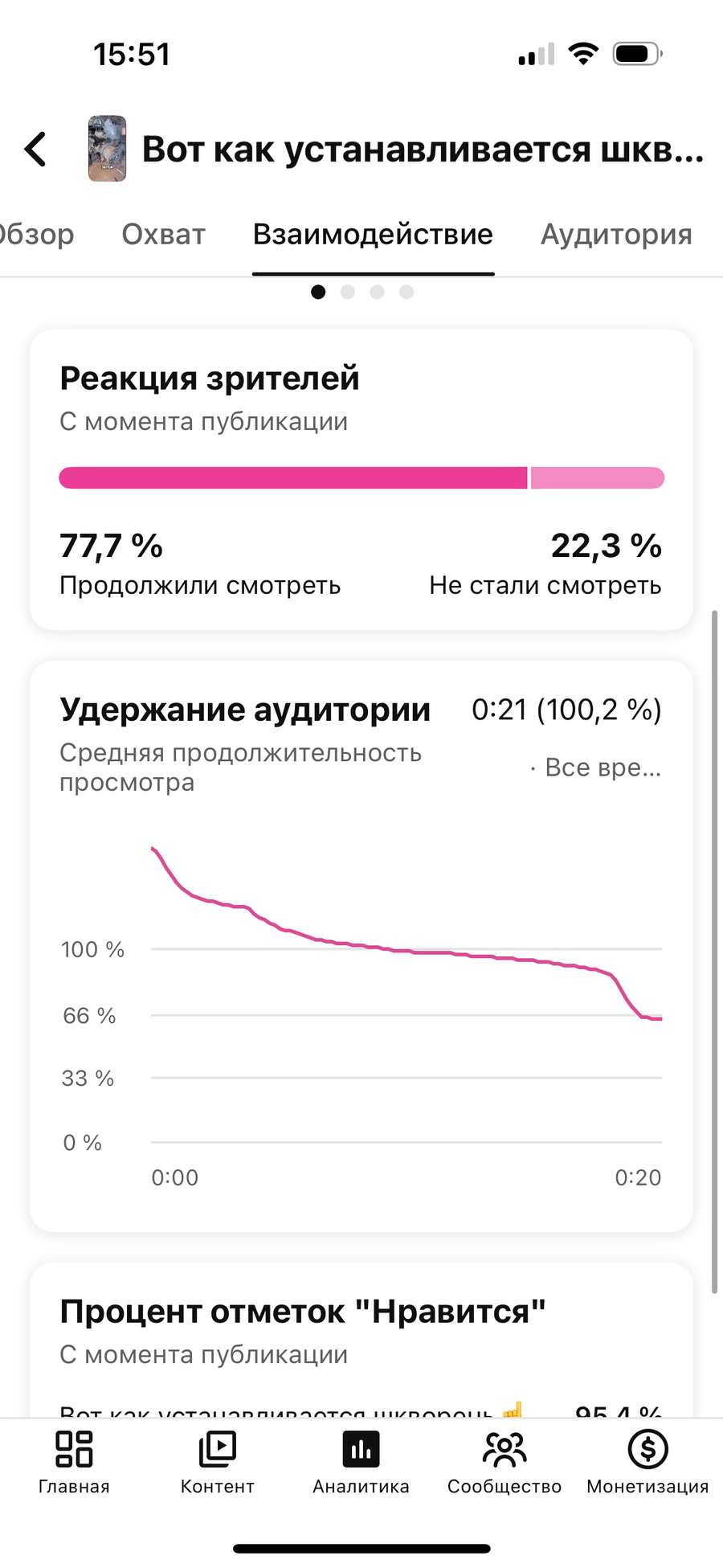
👉 content marketing became a lead generation tool, not just a visibility channel
2 months of no results
For the first 2 months:
- ~3,000 views per video
- no hypothesis broke through
This is the point where most teams go back to “just produce more.”
But this is exactly where the system is built — or abandoned.
The turning point
One video started to grow:
Important: it didn’t feel random.
We understood why it worked.
From “lucky hit” to system
The next step wasn’t to celebrate — but to reproduce the result.
We scaled the underlying mechanics and achieved:
- consistent 100K+ views
- no paid ads
- repeatable performance
👉 this was no longer luck — it was a system
Why this wasn’t random
To eliminate the “luck factor,” we applied the same model to another project.
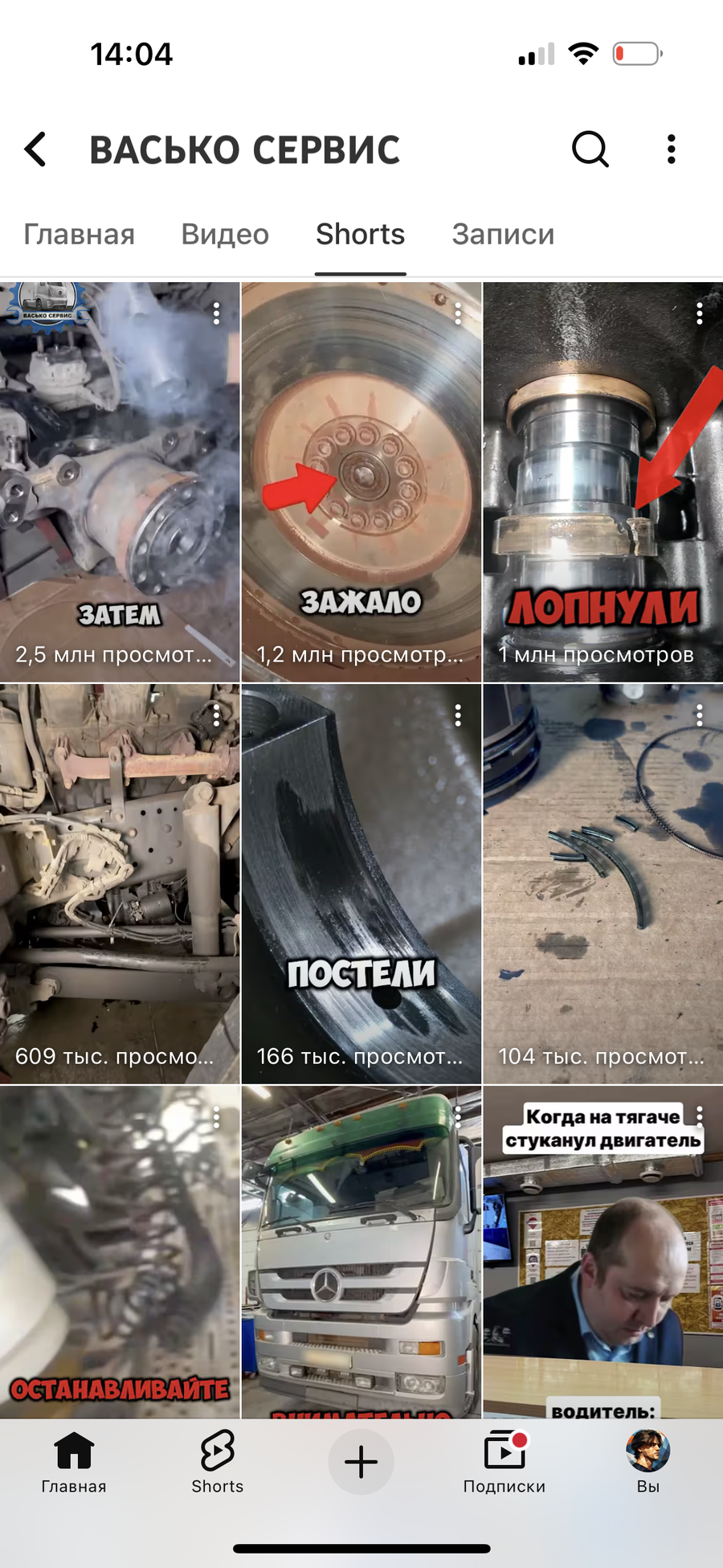

The pattern was identical:
- initial plateau
- growth phase
- stable high performance
👉 this confirmed: it’s not about one viral video — it’s about the system
When business impact appeared
First noticeable results: after 2–3 months
Stable growth: by month 5–6

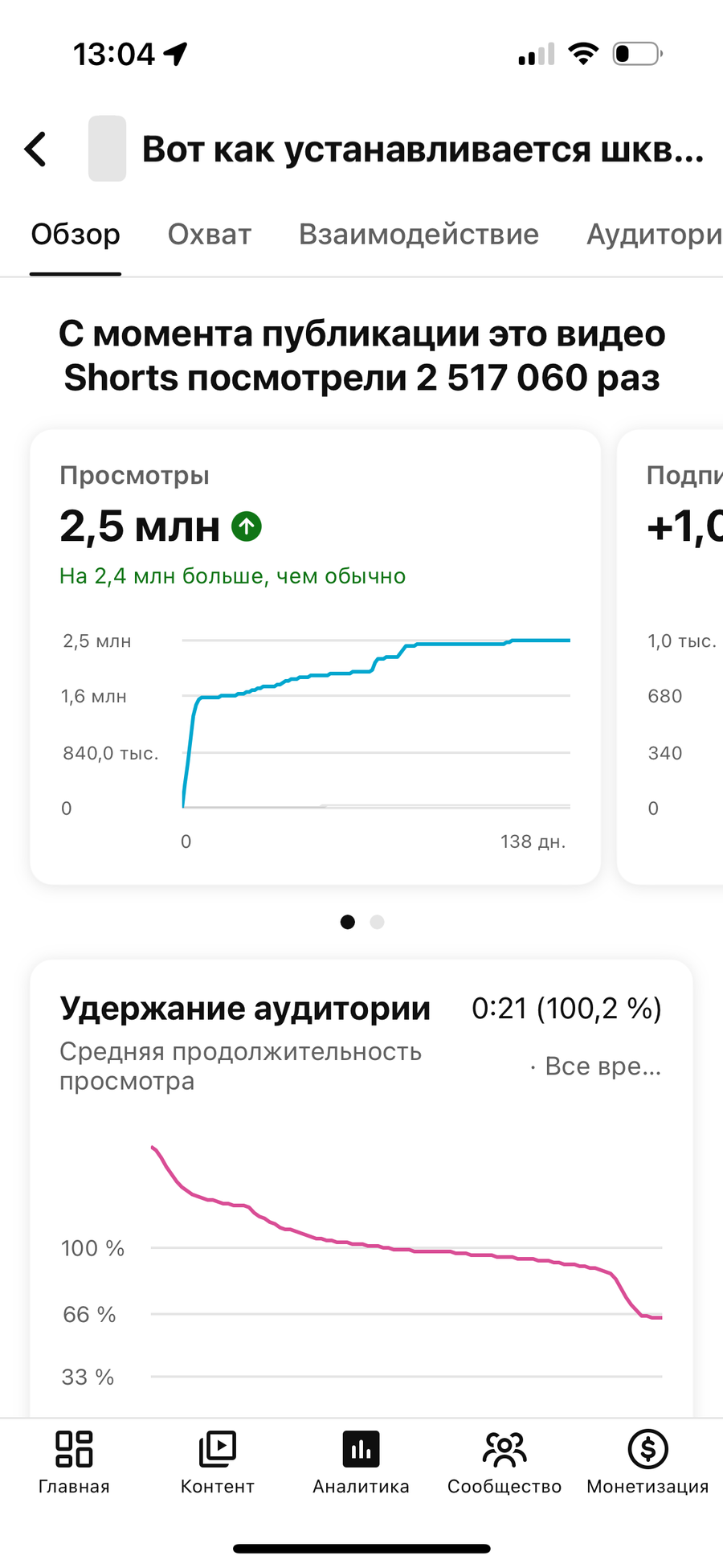
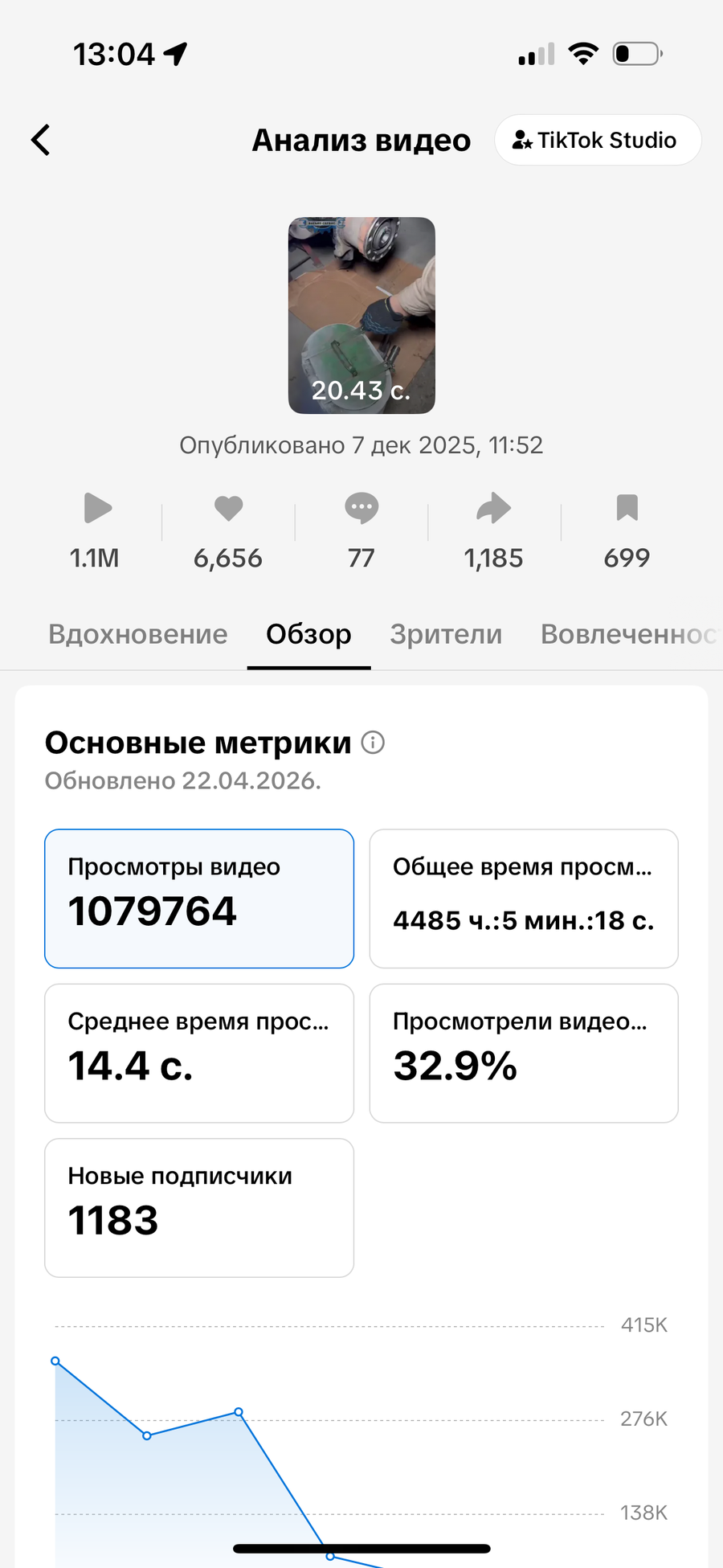
By the end of the project, growth accelerated significantly.
Results: content as a customer acquisition channel
Content became a direct source of leads.
On one channel (VK):
— 45 inquiries from ~700,000 views
On another:
— 23 inquiries from ~80,000 views
👉 more precise targeting = significantly higher conversion
Before this:
— social media generated almost no leads
Scale
- 16M total views
- ~12,000 followers
- 4 platforms
- $0 ad spend
👉 among the highest reach-per-content ratios in the niche
Business impact
Content changed customer behavior:
- leads became “warmer”
- fewer basic questions
- faster decision-making
- paid ads became more efficient
At peak:
👉 the service (7 repair bays) was fully booked
👉 a waiting list appeared
Beyond acquisition: improving on-site customer experience
In addition to lead generation, we improved the in-service customer experience.
Large screens were installed in the waiting area, with dedicated video content produced specifically for this environment. This wasn’t content for views.
Its purpose was to:
- reduce perceived waiting time
- reinforce professionalism
- increase trust in the service
These videos create a sense of structured, controlled production.
👉 this strengthens brand perception and supports premium pricing
👉 and reduces customer anxiety during the repair process
System-level improvements
Beyond content:
- implemented CRM (Bitrix24)
- started tracking all inquiries
- connected content with the sales funnel
👉 SMM became a controllable growth tool, not just an activity
My role
I wasn’t responsible for posting.
I was responsible for:
- video-led growth strategy
- demand generation system
- analytics and decision-making
- scaling
👉 I owned the result, not the content
Key takeaway
Content starts generating revenue when it:
- is integrated into the funnel
- shapes demand before the first contact
- impacts conversion
If you’re facing a similar situation
- you have traffic but low conversion
- leads come in cold
- marketing is not controllable
I can analyze your marketing and show:
- where you’re losing leads
- why they don’t convert
- how to turn content into a demand generation channel
📧 Message me — we’ll break it down with real numbers.
Want a similar result?
We can review your situation and build a growth system focused on measurable outcomes.
Discuss the project